RARM
 RARM
RARM
Confidence-Gated Progress Reward Modeling for RL in Manipulation
Overview
Abstract
Reinforcement learning for robot manipulation is often bottlenecked by reward design, especially in long-horizon tasks: sparse success rewards provide weak supervision, while hand-crafted dense rewards are tedious to design and generalize poorly across tasks. Progress-based reward models offer a promising alternative by estimating how far an observation has advanced toward task completion, but existing approaches often require task-specific demonstrations or progress labels, and can assign high rewards to visually plausible but physically incorrect states. We introduce the Reference-Anchored Reward Model (RARM), a lightweight visual comparator that converts a single successful demonstration into a dense, progress-aware reward. RARM is trained once on general-purpose videos with a contrastive temporal objective, requiring no robot-specific data, task-specific reward labels, or per-task reward engineering. At deployment, RARM matches rollout clips to reference clips and rewards only confident forward progress, suppressing uncertain matches that may otherwise produce false-positive rewards. Across 9 simulated manipulation tasks from LIBERO and MetaWorld and 4 real-world tasks, RARM achieves the best overall success rates in subsequent RL training, with particularly large gains on long-horizon tasks such as cloth folding, where unreliable progress estimates are especially harmful.
Our Contributions
Data-light, reference-anchored progress reward
We introduce RARM, which turns a single successful demonstration into a dense progress reward with no task-specific reward supervision—achieving data-light, confidence-aware progress estimation where prior work meets only one of these criteria.
Confidence gating against reward hacking
RARM rewards confident forward progress and explicitly filters out low-confidence matches, suppressing the false-positive rewards that drive reward hacking.
Best overall success with low overhead
Across 9 simulated tasks (LIBERO, MetaWorld) and 4 real-world tasks, RARM achieves the best overall success rates with low-overhead reward queries, with especially large gains on long-horizon settings such as cloth folding.
Method
Qualitative Comparisons
RARM's cumulative reward along a successful vs. a failed rollout of the same task. This is the running total of RARM's reward, not a raw progress estimate: RARM matches each clip against references with a confidence gate, and adds +1 whenever a confident match beats the highest progress reached so far. Hover the plot to scrub through the rollout — the dots track each curve and the frames update to the matching step.
Quantitative Experiments
Success rate vs. environment steps on MetaWorld and LIBERO-10 tasks (mean ± std over seeds) with Drq-v2 from scratch. Hover the legend to highlight a method; click to toggle it.

Ablation
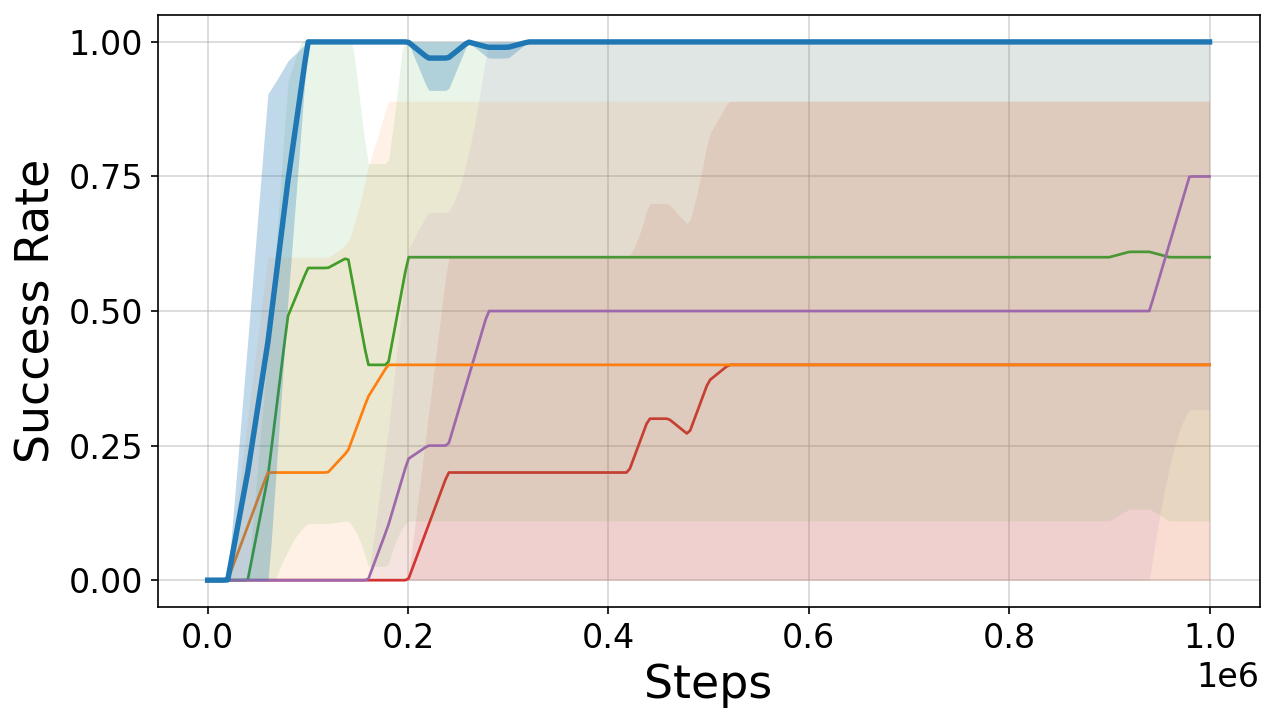
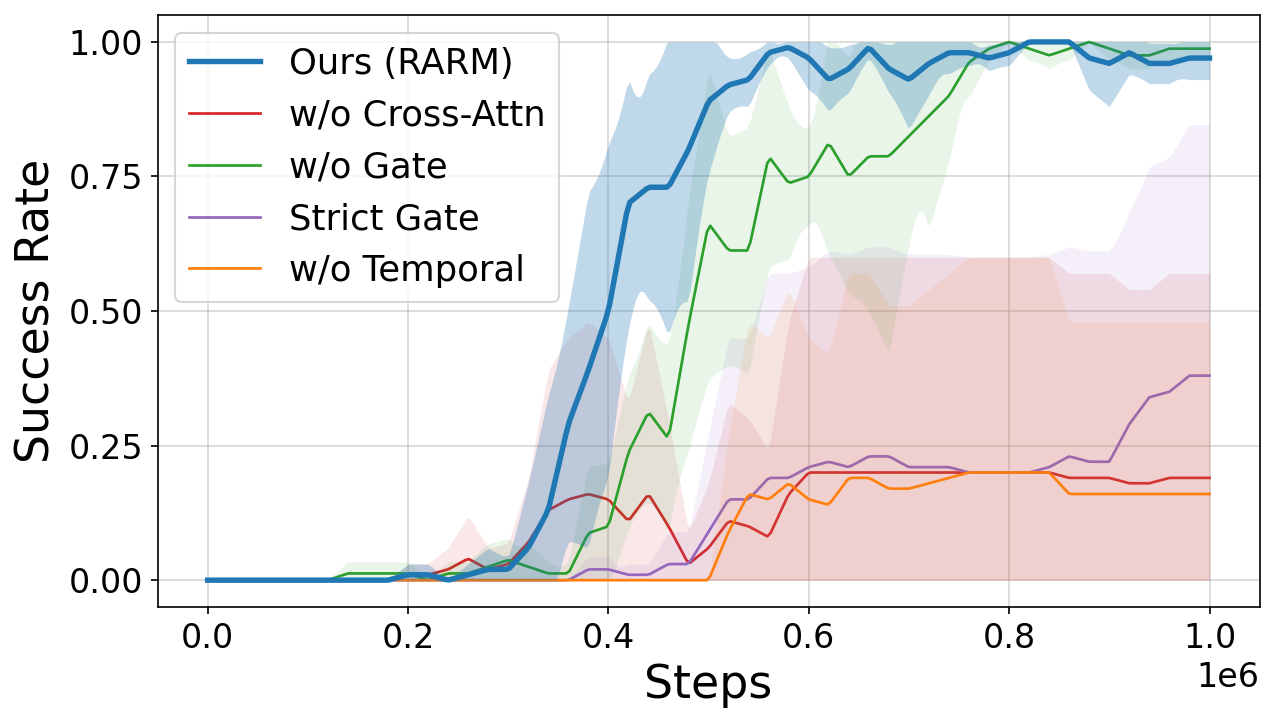
Each variant disables one part of RARM. The full model (blue) reaches a high success rate the fastest and holds it. w/o Cross-Attn replaces the learned cross-attention comparator with a simpler distance-based comparison, weakening rollout–reference matching and degrading progress localization; w/o Temporal loses motion cues and rewards static frames that merely look like success. The confidence gate is the key factor: without it (w/o Gate) noisy frame matches inject spurious reward and convergence slows, while an over-strict gate (Strict Gate) rejects too many frames and starves the policy — both plateau well below RARM.
Error Recovery Experiments
Policies trained with RARM recover when the scene changes underneath them. Mid-rollout, the target object is teleported to a random position within 4 cm of where it started — invalidating the approach the policy was already committed to. The moment of the reset is marked by an orange card held for one second. In every clip the policy re-localises the displaced object, re-plans its approach, and still completes the task. Select a task to view its rollout.
DSRL with RARM
Cumulative Predicted Reward on Clothes Folding
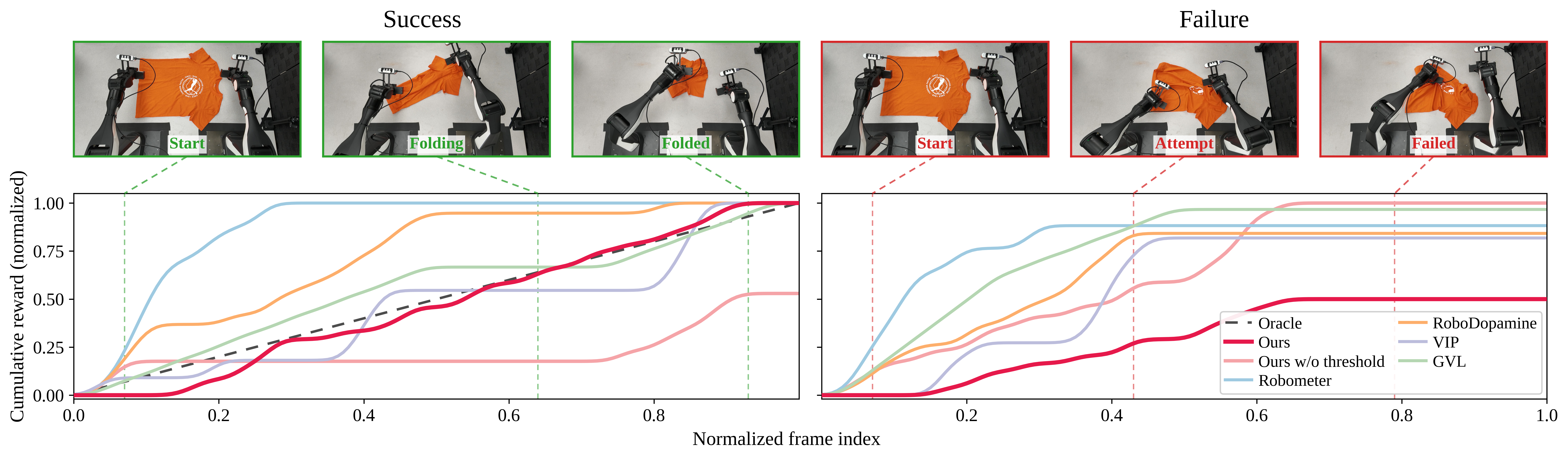
Cumulative predicted reward on a paired success / failure cloth-folding rollout, normalized per model by its own success-rollout final reward. Reward is accrued only when newly estimated progress exceeds the previous highest estimate, so each curve is monotonically non-decreasing — transient mis-predictions cannot inflate it. Ours (red) tracks the linear oracle on success and saturates at just 0.50 on failure, while every baseline assigns more than 80% of its success reward to the failed rollout (GVL 0.97, Robometer 0.88, RoboDopamine 0.84, VIP 0.82) and cannot separate the two. Removing the per-clip similarity threshold (Ours w/o threshold) accepts every nearest-demo match as confident, and the failure rollout then earns more reward than success (ratio ≈ 1.89) — confirming that confidence-gated progress estimation is what makes success and failure distinguishable.
Real-World Success Rates
Success rates over 30 evaluation rollouts before and after 30/60/90 DSRL training episodes. w/o DSRL: base VLA policy. BinR: DSRL with sparse binary success reward. RoboM: DSRL with the RoboMeter reward. Ours: DSRL with the proposed RARM reward.
| Task | w/o DSRL | 30 rollouts | 60 rollouts | 90 rollouts | ||||||
|---|---|---|---|---|---|---|---|---|---|---|
| BinR | RoboM | Ours | BinR | RoboM | Ours | BinR | RoboM | Ours | ||
| Drawer open | 10/30 | 16/30 | 17/30 | 19/30 | 19/30 | 18/30 | 23/30 | 23/30 | 20/30 | 29/30 |
| Pick eraser | 5/30 | 9/30 | 13/30 | 17/30 | 15/30 | 17/30 | 21/30 | 20/30 | 20/30 | 25/30 |
| Hand over | 2/30 | 5/30 | 3/30 | 14/30 | 12/30 | 4/30 | 22/30 | 14/30 | 5/30 | 23/30 |
| Clothes folding | 2/30 | 2/30 | 4/30 | 4/30 | 3/30 | 9/30 | 12/30 | 7/30 | 9/30 | 25/30 |

|
||||||||||
Robustness for RARM
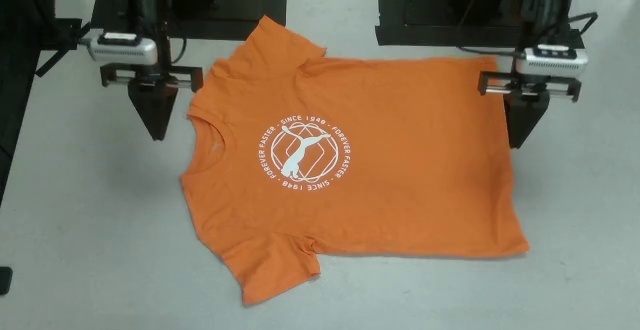
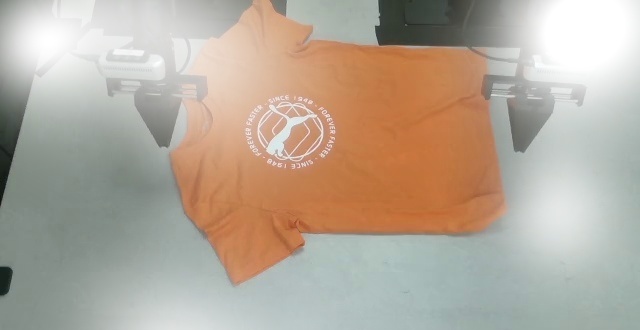
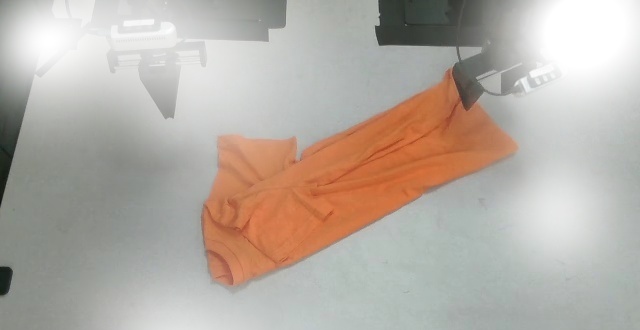
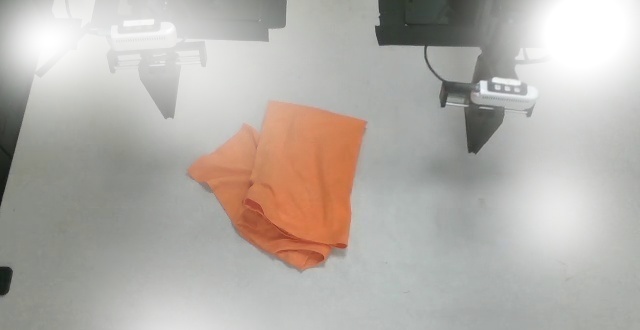
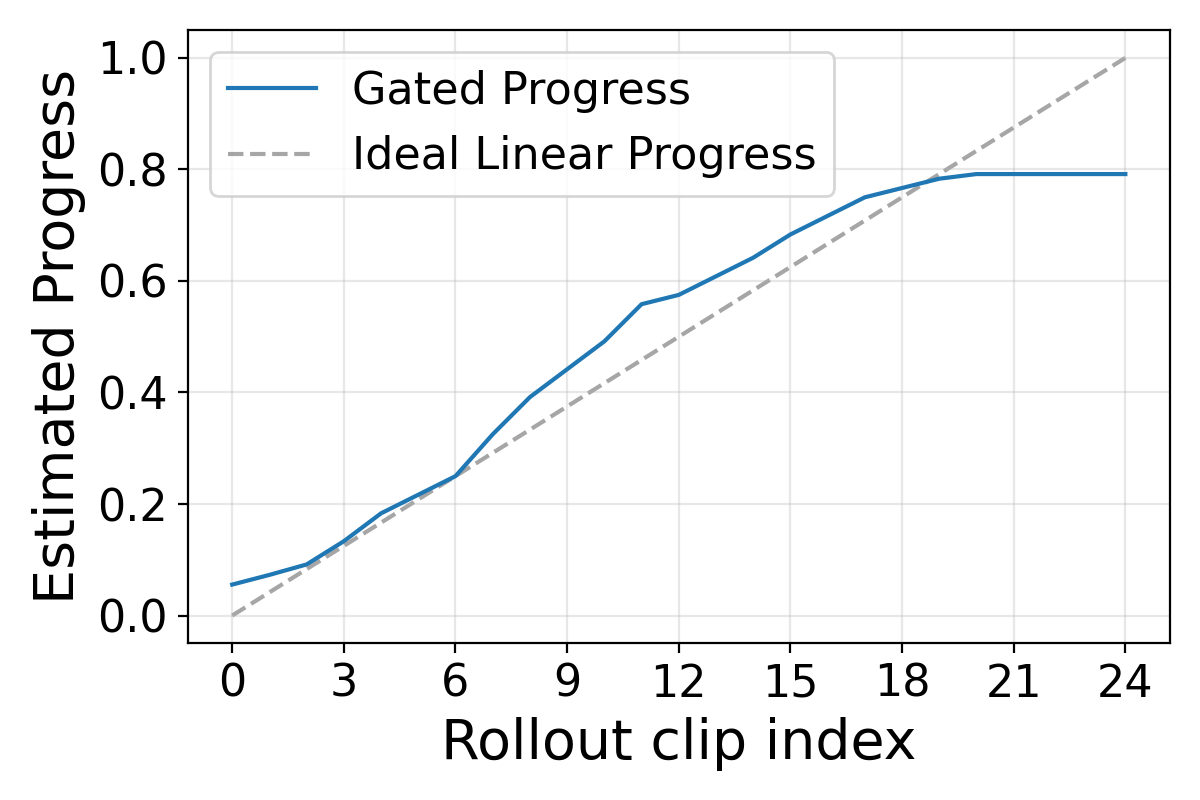
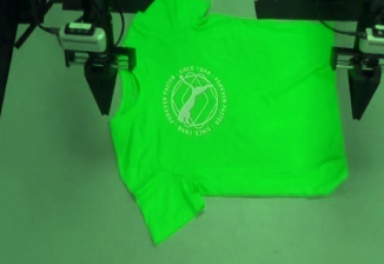
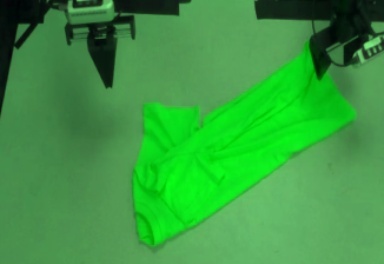
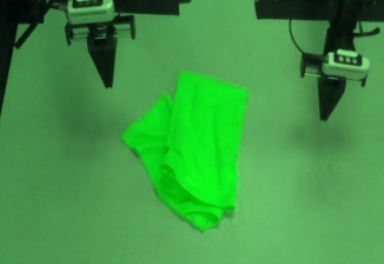
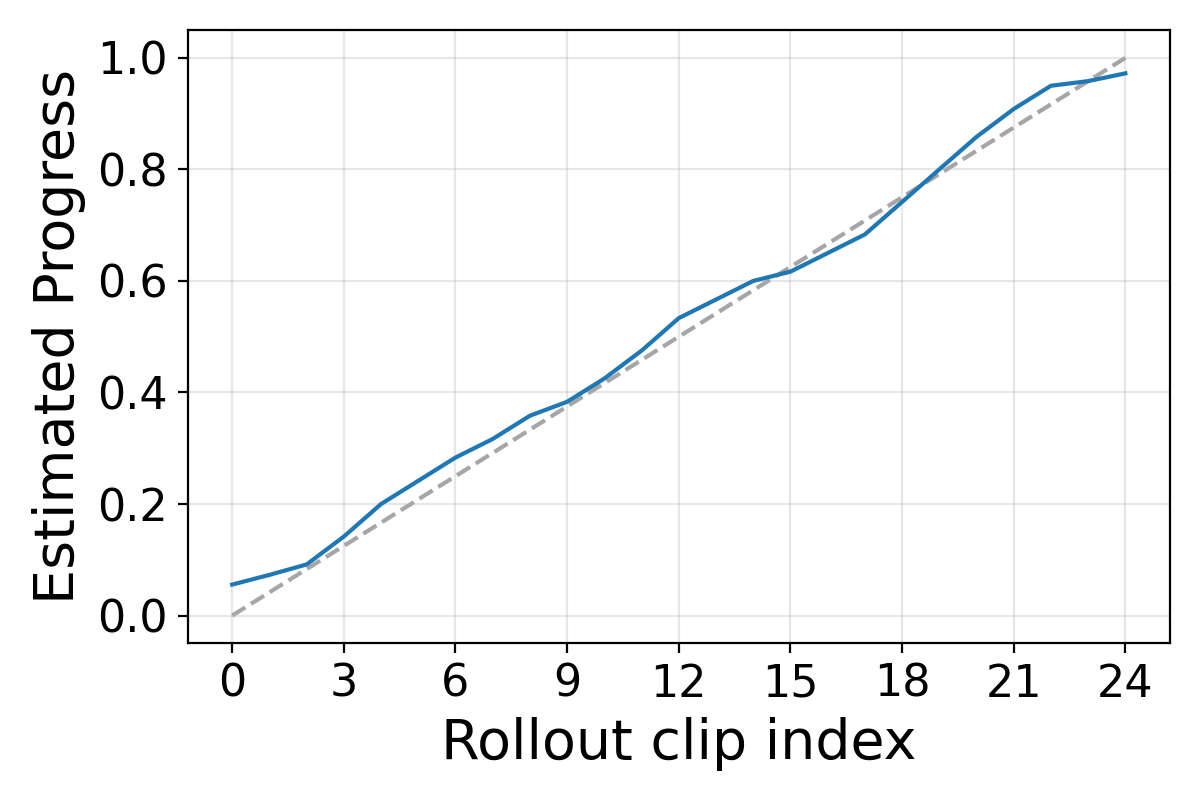
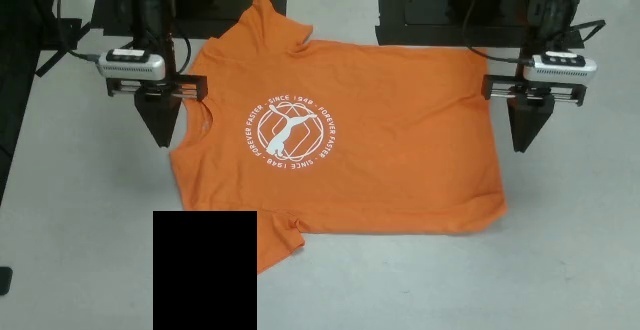
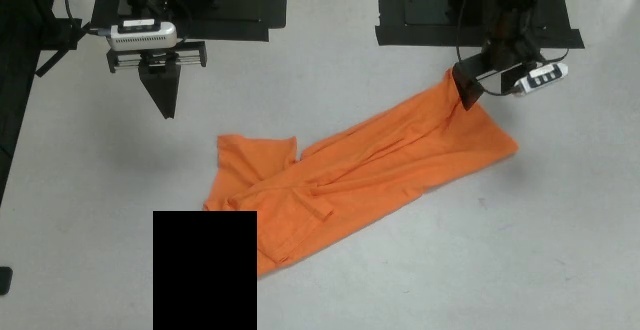
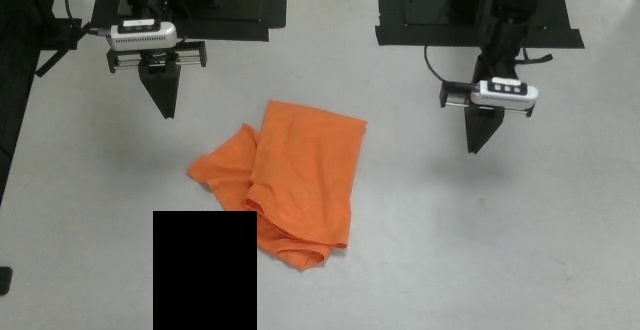
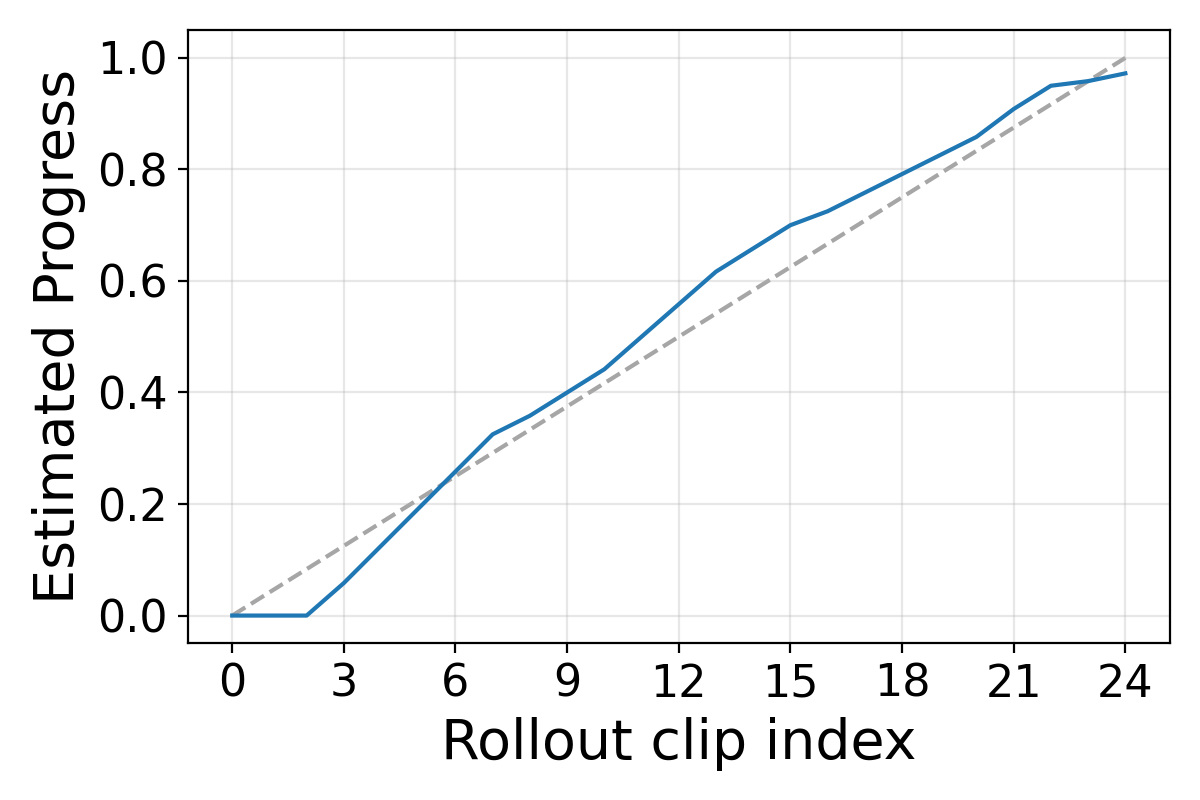
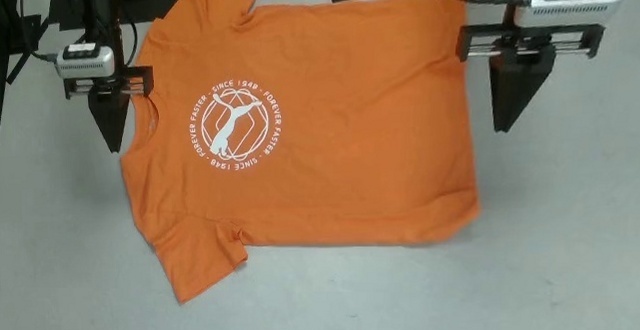
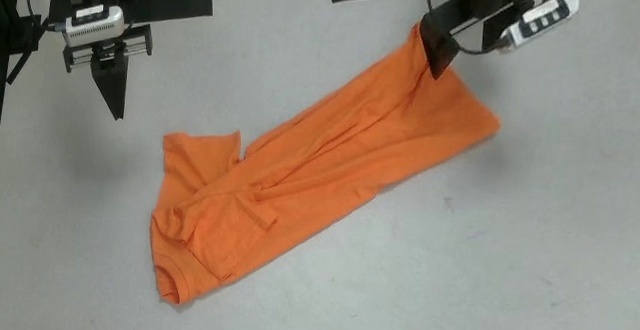
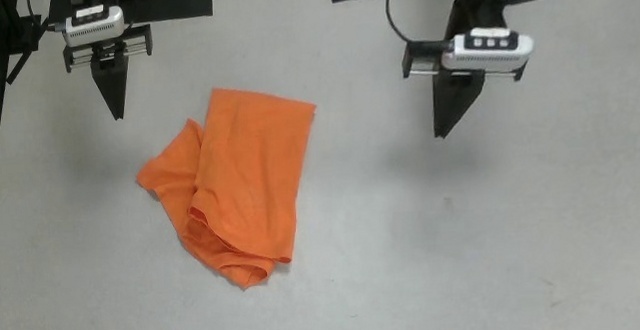
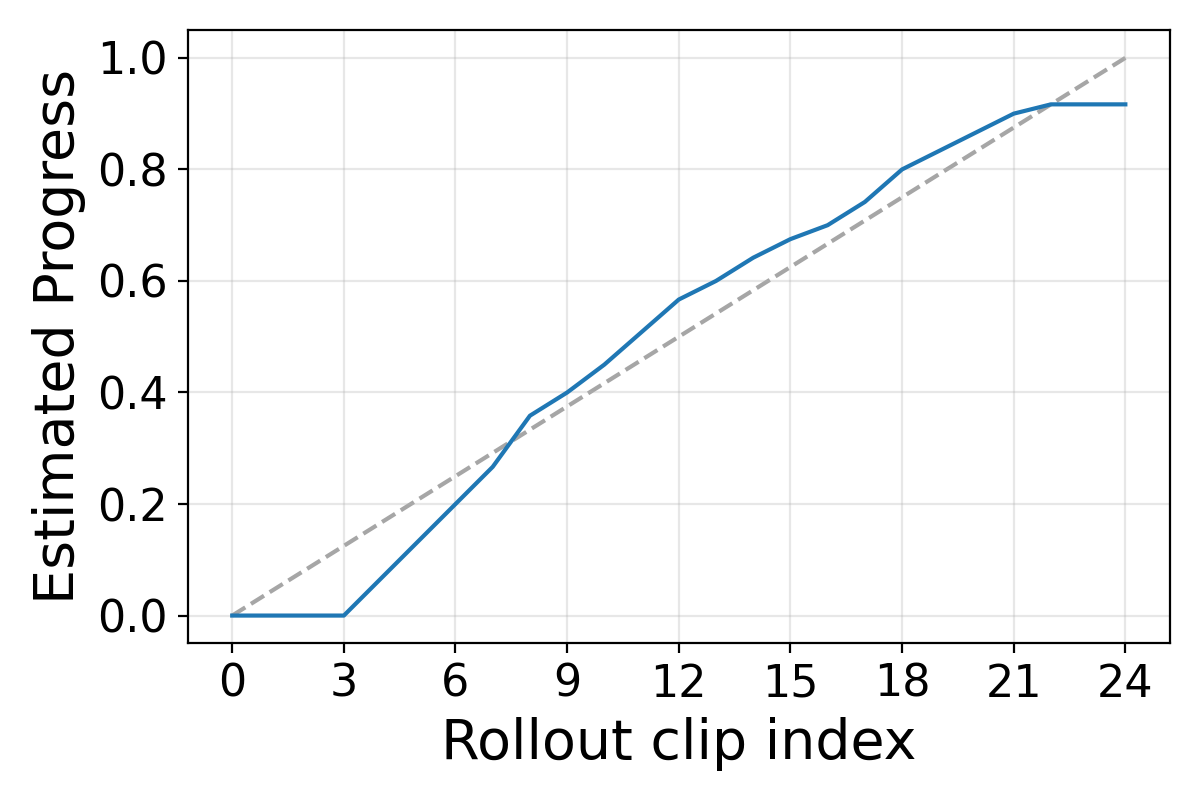
RARM produces stable progress estimates under diverse visual perturbations. Starting from a successful bimanual clothes-folding rollout, we apply four augmentations targeting distinct real-world modes and re-estimate progress against an unaltered reference. In all cases the estimated progress closely tracks the ideal linear trend.
shirt
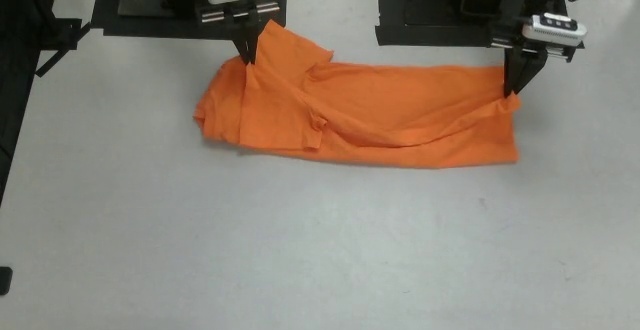
first fold
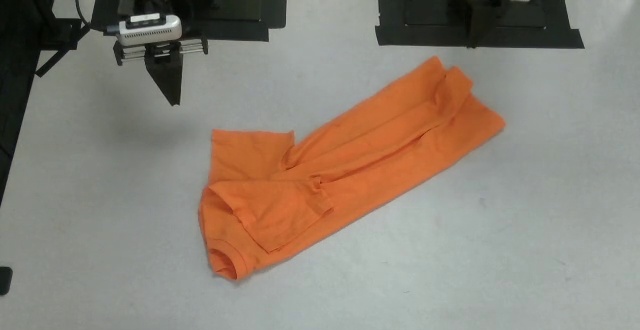
45° rotation
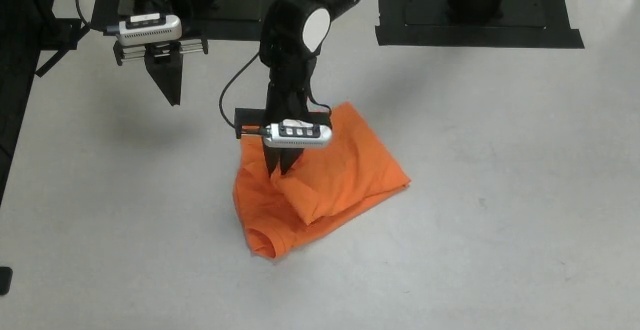
near side
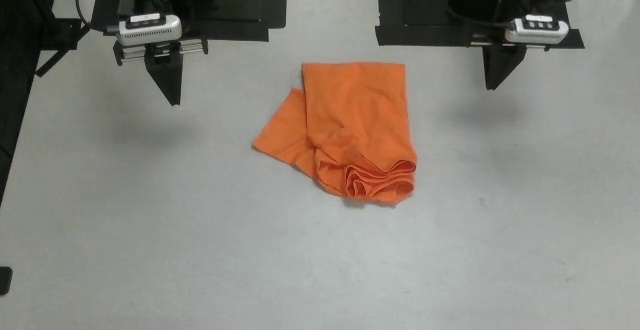
shape
Inference Speed and GPU Cost
Per-frame inference cost and peak GPU memory across reward model baselines, measured over 125 frames (one rollout trajectory). RARM matches the fastest vision-encoder baselines while using far less memory than VLM-based methods. These comparisons are all conducted on desktop with one 5090.
| Baseline | ms / frame | Mem (MB) |
|---|---|---|
| GVL | <50 | ≈13 200 |
| Robometer | <100 | ≈13 200 |
| RoboDopamine | <300 | ≈19 000 |
| VIP | <10 | ≈4 200 |
| RoboCLIP | <10 | ≈5 400 |
| TemporalOT | <10 | ≈6 600 |
| RARM (Ours) | <10 | ≈5 100 |